The San Francisco Chronicle hosted an Aging and Longevity Summit that featured an interesting lineup of speakers. The most notable speaker was travel guru Rick Steves. In his keynote address, Steves explained how travel and openness to the world around us promote healthy aging by forcing us to learn, grow, and stay mobile. It was a refreshing and motivating take on incorporating new experiences into our lives, even as we get older.
I watched the summit because I am interested in medical breakthroughs and technology as they relate to aging. Of course, I also like to hear about the role of nutrition and exercise in aging. These topics were addressed, but the most surprising takeaway from the summit was that every speaker emphasized social connection as a key driver of longevity.
Making Friends as an adult and expanding social life.
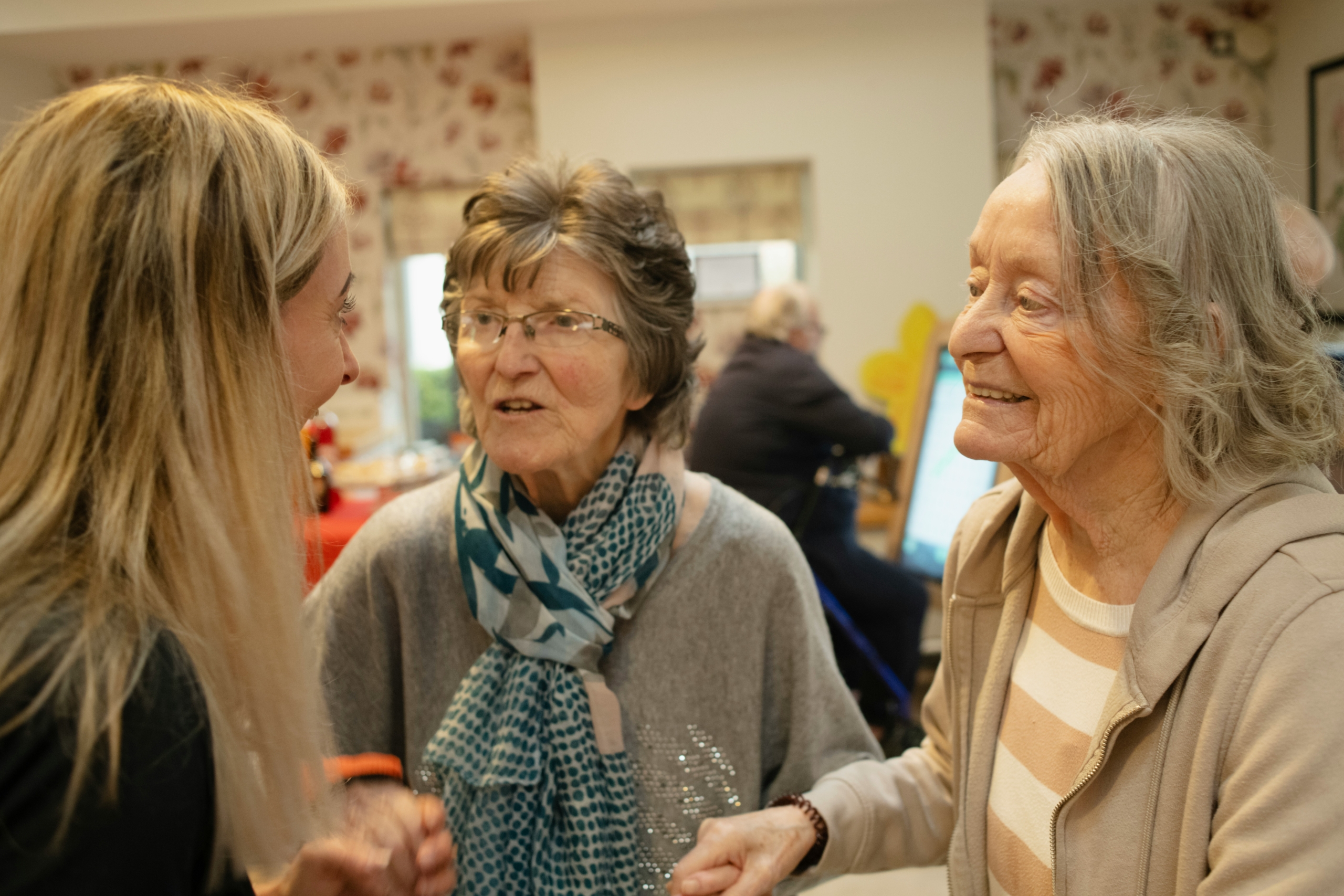
Jeff Hamaoui, co-founder of the Modern Elder Academy, gave a short talk about making friends as an adult. He pointed out that when we’re working, our lives have a certain cadence: we go to work, socialize with our co-workers, and may even socialize with people after work or at professional conferences, but in retirement, that stops, which requires an adjustment. Many retirees discover that they have to make new friends.
As we get older, making new friends can be daunting for many reasons: we may be insecure about whether people will like us, or we may have trust issues about meeting new people because we’ve been burned by others.
Two of Jeff’s tips for making friends resonated with me. First, he said we should enter interactions believing the best about ourselves and the other person. Let’s assume the other person will like us, and we will like them.
The second tip is to always go first when you’re thinking about reaching out to people. Earlier this year, I was thinking about one of my dear friends from college, so I reached out first. This led to a ZOOM reunion of my college roommates. I also reached out to another friend to reconnect, and we both agreed that it was one of the best nights we had had in years. I have talked to others who have reported that friends they have not talked to in years are suddenly reappearing and wanting to reconnect. Always go first to connect and be honest about why you went off the grid.
I am curious about how remote work is affecting people’s ability to make connections and friends. I have found being self-employed isolating and lonely because I do not work with peers who can become social connections. I have tried other ways to meet new people and build connections with peers, but it hasn’t worked out well. During COVID I became entrenched in a religious community because there was nothing else to do, and that consumed so much of my time that it became my social life. I left that community in 2024 with no regrets and one real friend, but my social life was decimated.
I have spent the first few weeks of 2026 rebuilding my social life by reconnecting with old friends, and I know I will make new friends this year
No matter how uncomfortable we may feel about meeting new friends, the alternative of replacing human connection with computers and phones is not acceptable
Loneliness is a health hazard
I expected the medical experts to focus on medications and treatments for disease prevention and longevity, and there was some helpful information on that, but even they were focused on preventing social isolation and promoting social connection, and it is no wonder why. Loneliness is a health hazard!
The U.S. Surgeon General’s advisory on loneliness (2023) stated that social disconnection raises the risk of premature death by roughly 26–29%, and that the mortality impact is comparable to smoking up to 15 cigarettes per day.
The World Health Organization estimates that loneliness is linked to more than 871,000 deaths every year, roughly 100 people every single hour. It increases the risk of premature death by nearly 30 percent, and raises the risk of stroke, heart disease, anxiety, and dementia.
Social isolation is killing people, and I am glad the medical community is sounding the alarm that this is a real problem and one we need to urgently address.
Hope and a call to action
The summit was encouraging because there are many medical and technological breakthroughs that are giving hope to people with diseases such as Parkinsons and even Alzheimers. It was also encouraging that medical professionals weren’t solely focused on promoting pharmaceuticals or supplements but also discussed the importance of a holistic lifestyle for a longer health span.
The medical community’s emphasis on social connections for longevity was the most surprising takeaway for me, but also the most promising, because forming connections, friendships, and community is something we can all be proactive about. We can form intergenerational friendships and do our part by going first and reaching out to others.
It’s a call to action to live longer and to live better!




Leave A Comment